

How to Tell if Coffee Beans Are Fresh
Last updated: October 10, 2026
Fresh coffee smells vivid and tastes sweet, lively and distinctive. Stale coffee tends to smell muted and taste flat, papery or rancid. If you want to know how to tell if coffee beans are fresh, start with the roast date, then confirm it with aroma and flavor. Appearance and bloom can offer clues, but neither is definitive on its own.
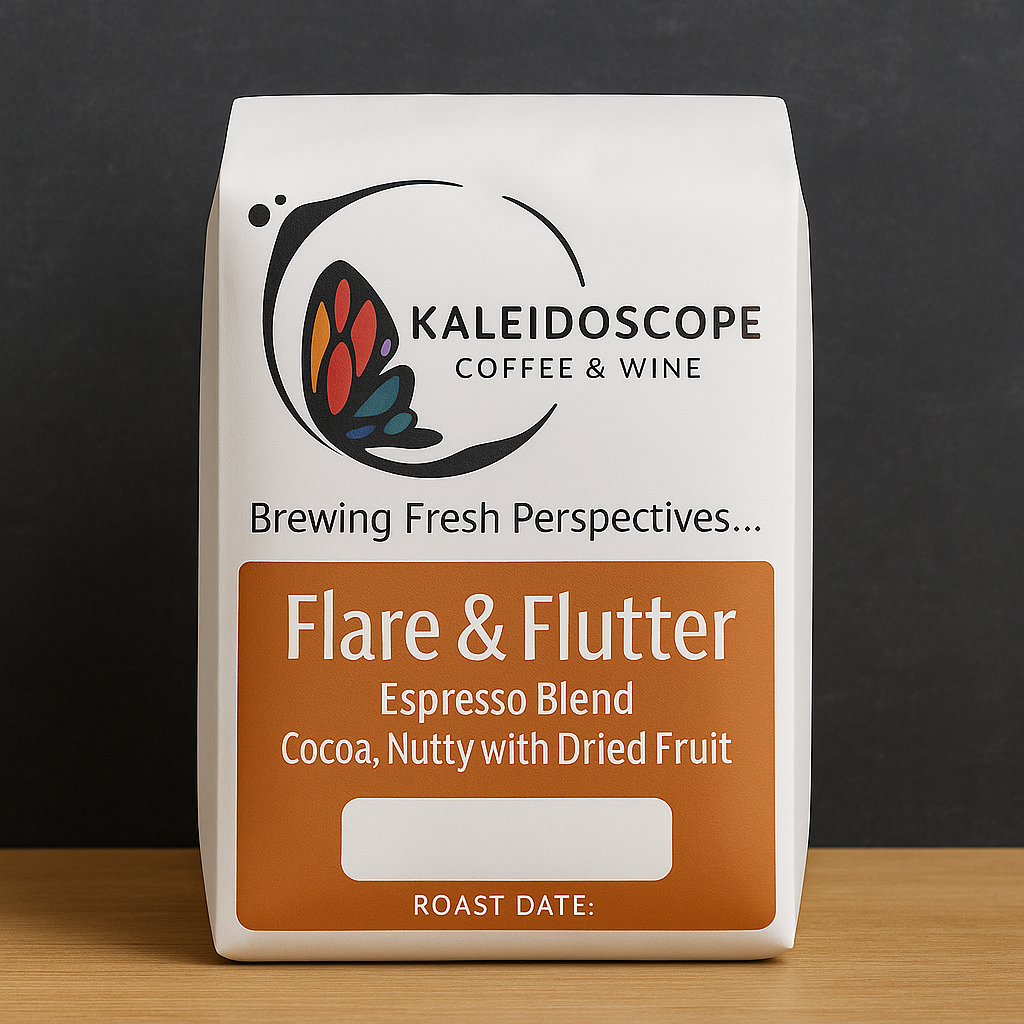
Table of Contents
- Fresh Coffee: The Quick Answer
- 1. Check the Roast Date
- 2. Smell the Beans
- 3. Look at the Beans—Carefully
- 4. Taste the Brew
- 5. Use the Bloom as a Clue
- How Long Do Coffee Beans Stay Fresh?
- How to Store Coffee Beans to Keep Them Fresh
- Frequently Asked Questions
Fresh Coffee: The Quick Answer
The most useful freshness checks are:
- Find the roasted-on date. It is more informative than a distant best-by date.
- Smell the whole beans and freshly ground coffee. Fresh coffee should have a clear, recognizable aroma rather than a faint or cardboard-like smell.
- Taste the cup. Sweetness, aroma and origin character fade as coffee ages; papery or rancid notes are stronger evidence of staling.
- Use bloom only as a supporting clue. Carbon dioxide generally declines with time, but roast level and processing also affect how much a coffee bubbles.
No single visual trick can establish freshness. A roast date plus aroma and taste gives you the most reliable answer.
1. Check the Roast Date
Roasting creates the flavors and aromas we associate with coffee, but it also starts two ongoing changes:
- Degassing: Roasted beans gradually release carbon dioxide trapped within their structure.
- Staling: Volatile aromas dissipate and oxygen contributes to flavor deterioration.
Research shows that degassing speed varies with factors such as roast degree, bean structure and storage conditions. That is why there is no universal “perfect day” for every coffee. A time-resolved study of roasted-coffee degassing found meaningful differences among coffees and roast profiles.
A Practical Freshness Timeline
- The first few days: Some coffees—especially those intended for espresso—may still be releasing enough gas to make extraction less predictable. This does not mean they are unusable.
- About one to four weeks: This is a useful starting range for many whole-bean specialty coffees stored well. Medium and darker roasts often become expressive earlier; very light roasts may benefit from a longer rest.
- After the first month: Coffee does not suddenly become bad. Aroma and flavor usually decline gradually, and the pace depends on roast, packaging, storage and how often the container is opened.
Use those ranges as guidance, not expiration dates. Your palate is the final judge.
What Packaging Can—and Cannot—Do
A sealed, high-barrier bag helps slow exposure to oxygen and moisture. A one-way valve allows carbon dioxide to leave the package while limiting gas from moving back in. Some roasters also reduce the oxygen in a sealed bag by flushing it with an inert gas.
Good packaging slows flavor loss; it does not stop it. Once the bag is opened repeatedly, fresh air enters. A 2022 study comparing storage methods after opening found measurable differences in aroma retention, reinforcing the value of resealing coffee carefully. You can read the coffee-storage study here.
2. Smell the Beans
Aroma is one of the best at-home freshness checks. Open the bag, then smell the beans again immediately after grinding a small dose.
Fresh coffee should smell distinct and expressive. Depending on the coffee, you may notice chocolate, caramel, nuts, flowers, citrus, berries or spices. Coffee that has lost freshness often smells faint, dusty, papery or like cardboard. Oxidized oils can eventually develop a rancid aroma.
The ground-coffee aroma is usually more revealing than the smell of the unopened bag because grinding releases more aromatic compounds.
Coffee freshness and storage video by Bella Barista
3. Look at the Beans—Carefully
Appearance is commonly misunderstood. A glossy or oily surface does not prove that coffee is fresh. Darker roasts tend to show more surface oil, while fresh light roasts can look completely dry. Oil may also migrate to the surface as roasted beans age.
Color is primarily a clue to roast development, not roast date. Likewise, a crack or irregular shape may reflect the bean, processing or roasting—not staleness.
Visual inspection is still useful for detecting moisture, mold, foreign material or severe physical damage. Those are quality or safety concerns, but they are different from ordinary flavor staling.

4. Taste the Brew
The cup is the final test. Fresh, well-brewed coffee usually has a recognizable aroma, sweetness and a flavor profile that reflects its origin and roast. As coffee stales, those details become quieter and the cup can taste flat, hollow, woody, papery or rancid.
Sourness or bitterness alone does not prove the beans are stale. Grind size, water temperature, brew ratio, water chemistry and contact time can all create sour or bitter coffee. If the roast date and aroma seem promising, adjust the recipe before blaming the beans.
5. Use the Bloom as a Clue
During pour-over brewing, hot water releases carbon dioxide from the grounds, causing them to swell and bubble. Recently roasted coffee often produces a stronger bloom than older coffee.
To observe it:
- Grind the coffee for your pour-over brewer.
- Add roughly twice the coffee’s weight in water—for example, about 30 grams of water for 15 grams of coffee.
- Wait about 30 to 45 seconds, ensuring all the grounds are wet.
- Continue the brew.
Treat the bloom as a rough clue, not a pass/fail test. Darker roasts may release more visible gas; very light roasts, decaffeinated coffees and different processing styles can behave differently. A weak bloom can also result from cooler water or an uneven pour.
How Long Do Coffee Beans Stay Fresh?
There is no sharp boundary between fresh and stale. For everyday buying, a sensible approach is to purchase an amount you can finish within roughly two to four weeks after opening, keep it sealed between brews and grind only what you need.
If you prefer light-roasted coffee, you may find that some coffees taste best after a longer rest and remain enjoyable beyond a month. Darker roasts often develop surface oils and lose their most vivid aromas sooner. Espresso can also require more rest than filter coffee to become easy to dial in.
At Kaleidoscope Coffee, we roast and prepare coffee to order. Explore our coffee beans for home, including the versatile Flare & Flutter blend.
How to Store Coffee Beans to Keep Them Fresh
Protect roasted coffee from oxygen, moisture, heat and strong light. The simplest setup is often the best:
- Keep the beans sealed. Press excess air from a resealable coffee bag and close it fully, or use a clean airtight container that is appropriately sized for the amount of coffee.
- Choose a cool, dark cabinet. Keep coffee away from the oven, sunny windows and humid areas.
- Store whole beans. Grind immediately before brewing when practical.
- Buy an amount you can use. Smaller, more frequent purchases reduce the time an open bag sits exposed to air.
Should You Refrigerate Coffee?
For a bag you open every day, the refrigerator is usually inconvenient: repeated opening can expose cold coffee to humidity and food odors. If you use cold storage, the container must be truly airtight and should not be opened while the beans are cold.
Can You Freeze Coffee Beans?
Yes. Freezing can slow aroma changes when the beans are protected from air and moisture. Research on coffee stored at different temperatures supports the broader principle that lower temperatures slow changes in volatile aroma compounds. See this study of temperature and coffee volatiles.
- Freeze coffee while it still tastes good.
- Use airtight, moisture-resistant packaging; vacuum sealing is ideal.
- Divide a large amount into smaller portions so the main supply is not opened repeatedly.
- Let a sealed portion reach room temperature before opening to reduce condensation on the beans.
- Avoid repeated thawing and refreezing.
Coffee Storage Comparison
Storage Method |
Best Use |
What to Know |
|---|---|---|
Resealed valve bag in a cool cabinet |
Daily brewing |
Simple and effective for coffee you will finish soon |
Airtight opaque container |
Daily brewing |
Use a container close to the volume of the coffee to limit headspace |
Airtight frozen portions |
Longer-term storage |
Protect from moisture and avoid repeated opening |
Grinder hopper |
Only the day’s dose |
Long exposure to room air and light speeds flavor loss |
Key takeaway: For most home brewers, the highest-impact habits are buying freshly roasted coffee in a practical quantity, resealing it carefully and grinding just before brewing.
Freshness is not about chasing one magic number. Check the roast date, protect the beans from air and moisture, and pay attention to aroma and taste. Those habits will tell you far more than surface oil or a dramatic bloom.
Kaleidoscope Coffee roasts in small batches in Point Richmond using an all-electric roaster powered by solar energy from our building. Shop Kaleidoscope Coffee and enjoy coffee roasted and prepared to order.

Frequently Asked Questions
How long after roasting are coffee beans freshest?
Coffee beans are freshest between 5-14 days after roasting. During this window, degassing has progressed enough for optimal extraction, but oxidation hasn't significantly degraded flavor compounds. Peak flavor depends on brewing method—espresso typically peaks around day 9-10, while drip coffee remains excellent for the full two-week window. Always check the roast date on your bag to ensure you're within this optimal range.
Can you tell if coffee beans are stale by looking at them?
Yes. Stale beans appear dull and papery rather than glossy and vibrant. Fresh beans have visible surface oils and a rich brown color, while aged beans look flat and grayish. Oil migration and oxidation cause this visual change. However, appearance alone isn't foolproof—always pair visual inspection with the aroma test and roast date check for the most reliable assessment of freshness.
Should fresh coffee beans have an oily surface?
Fresh beans typically show some surface oils, especially single-origin and darker roasts. These oils contain flavor compounds and are a natural part of the degassing process. However, excessive oil buildup or rancid smell indicates over-aging. Light roasts may appear less oily than dark roasts. The key is balance: visible moisture that smells vibrant and aromatic is good; thick, sticky residue with a stale or musty aroma signals oxidation.
What is the 15-15-15 coffee rule?
The 15-15-15 rule is a sensory guideline: beans should be ground 15 minutes before brewing, brewed within 15 minutes of grinding, and consumed within 15 minutes of brewing for peak flavor. This minimizes exposure to oxygen, which degrades grind consistency and extraction quality. While this ideal isn't always practical, it illustrates why freshly roasted beans and proper storage matter—they preserve the aromatic compounds and acidity that make coffee taste vibrant.